Saturday, February 19, 2022

British Telecom Tower


London The Unfinished City
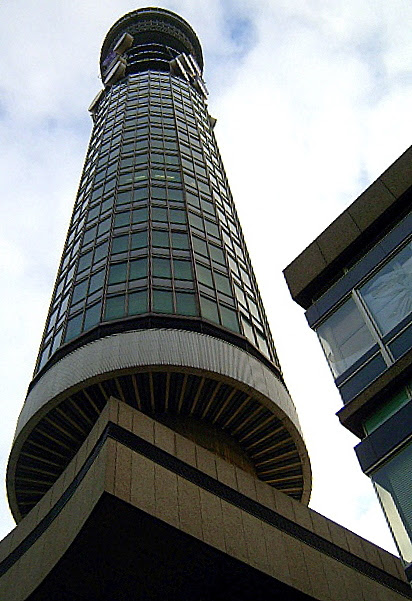
British Telecom Tower (GPO Tower, Post Office Tower), 2010

I have always been fascinated with the BT Tower, ever since I first saw it. I am not sure what it is about the building, once the tallest in London, but it just looks cool to me. Maybe it is its uniqueness that makes it so fascinating.


London The Unfinished City
The view from below, 2010.

Also, considering how visible it is, it took me an age to get close to it. I would walk towards it and often find that I had passed it, or ended up walking down the wrong road and missing it again. In 2010 I made a conscious effort to finally get a decent photo of this historic tower... and I did. 

Friday, February 18, 2022

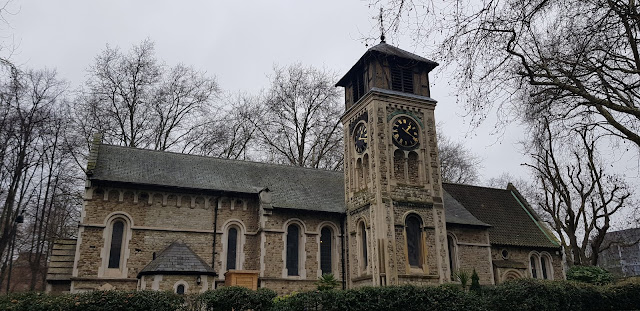
St Pancras Old Church


London The Unfinished City
St Pancras Old Church

Wednesday February 16, 2022.

It was an unseasonably warm morning as Keilyn and I headed to London, for a wander long the Regent's Canal from St John's Wood to King's Cross.

London The Unfinished City
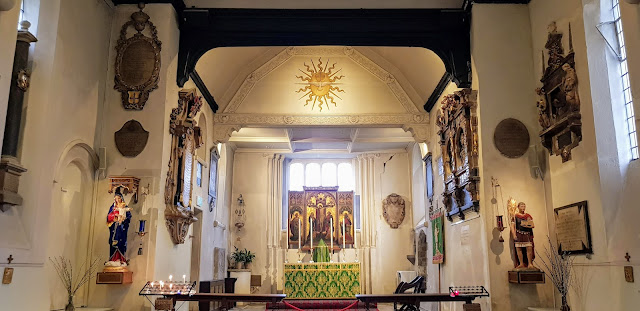
Altar

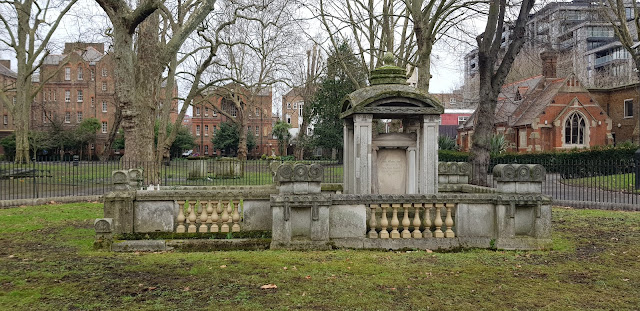
Towards the end of our journey, as a slight drizzle could be felt on the breeze, we visited St Pancras Old Church where we also saw the Hardy Tree and the Sir John Soane Mausoleum.

London The Unfinished City
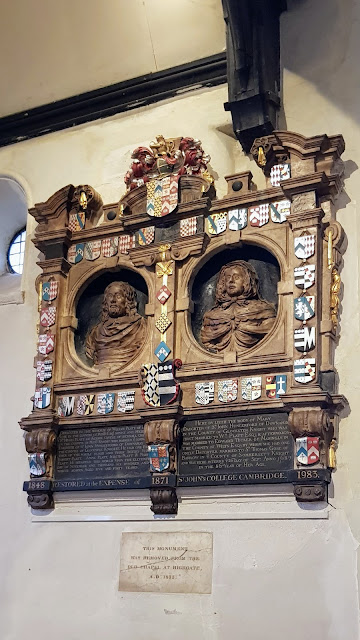
Monument removed from the Old Chapel, Highgate.

Fortunately for us the church was open, so we stepped inside this historic building and had a good look around. Before we left we made a small donation for some votive candles, lit them and then continued on our journey.

London The Unfinished City
Sir John Soane Mausoleum

Thursday, February 17, 2022

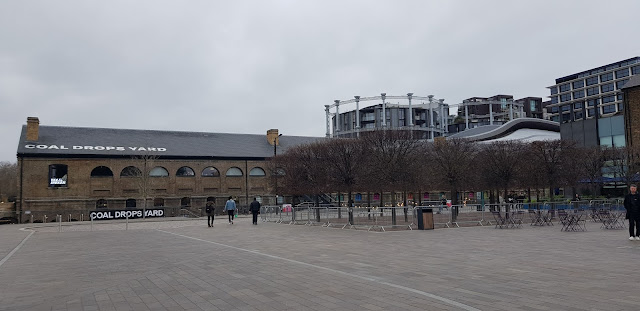
Coal Drops Yard & Granary Square

London The Unfinished City
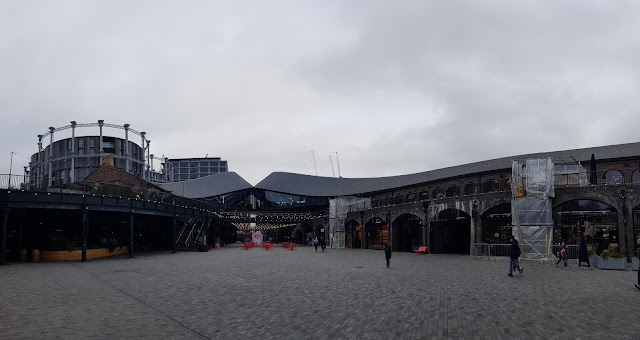
Granary Square, looking towards Coal Drops buildings.

Wednesday February 16, 2022

Walking along the Regent's Canal from St John's Wood station Keilyn and I ended up at Coal Drops Yard, King's Cross. This historic area of London has gone through a major overhaul and is fast becoming one of the top destinations in the area.
London The Unfinished City
Coal Drops Yard

This historic area of London has a history dating back to the 1850s, when London ran on coal, earning her the nickname of the 'Big Smoke'. The buildings would have been full of people, cargo and coal. Outside would have been a throng of workers, sellers, businessmen and the such, too.

But, as invention and new technologies took hold, her buildings became empty and were soon left derelict. The throng of people diminishing, much like the buildings

Fortunately, these buildings have now been repurposed and the area is once again a bustling hub.

The entire area is a wonderful place to explore. From shops and restaurants, to bars and cafes and boutique retail outlets. The coal drops and the square, which incorporates a water feature that is wonderfully lit with coloured lights, gets a lot of use in warm weather.

London The Unfinished City
The Fish and Coal buildings, now known as The Coal Office.

And we explored most of it. Keilyn, obviously, was more interested in exploring the water feature, but without getting too wet.

A terraced seating area allows for people to sit by the calm water, on summer's evenings, to enjoy the peace or, perhaps, catch a movie at the pop-up cinema.

Keilyn Morrissey
Keilyn in the water feature.

The entire area is split into five distinct area: Canopy Market, Coal Drops Yard, Gasholder Park, Granary Square and Lewis Cubitt Park.

Once we had explored what we could we made our way, via St Pancras Old Church, to Euston station, from where we caught a train home.

Friday, January 28, 2022

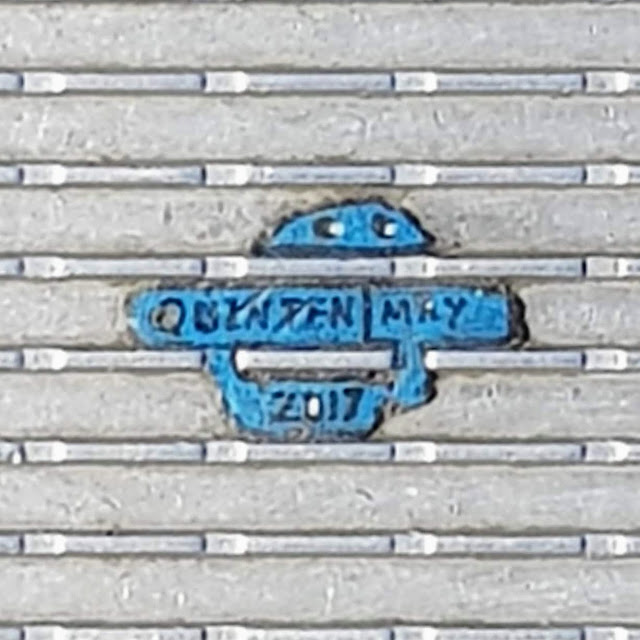
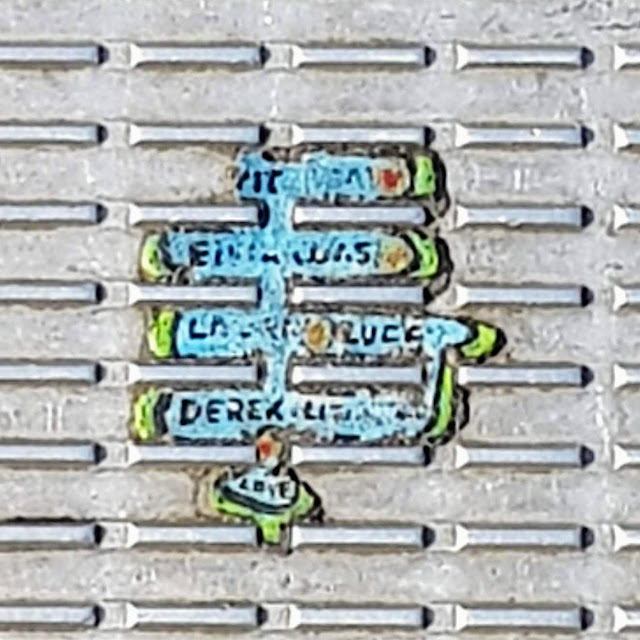
Ben Wilson: Chewing Gum Man


London The Unfinished City

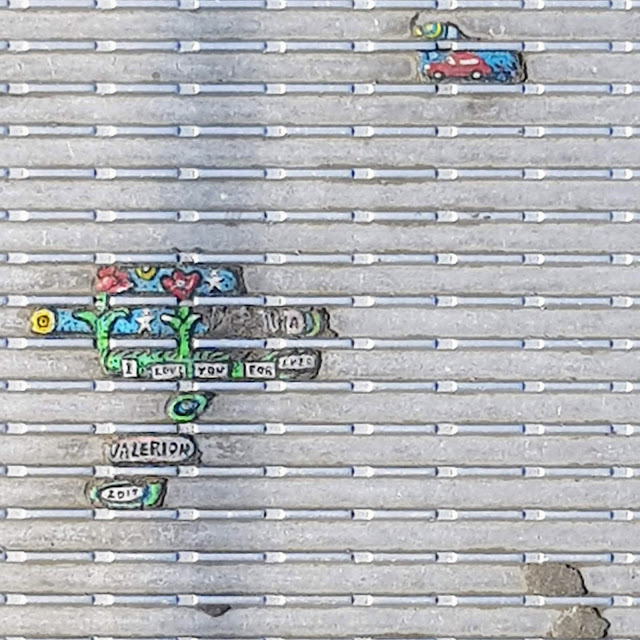
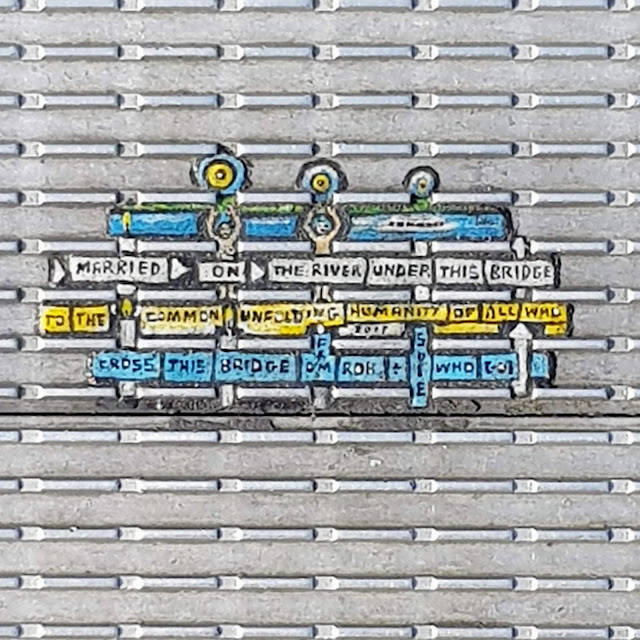
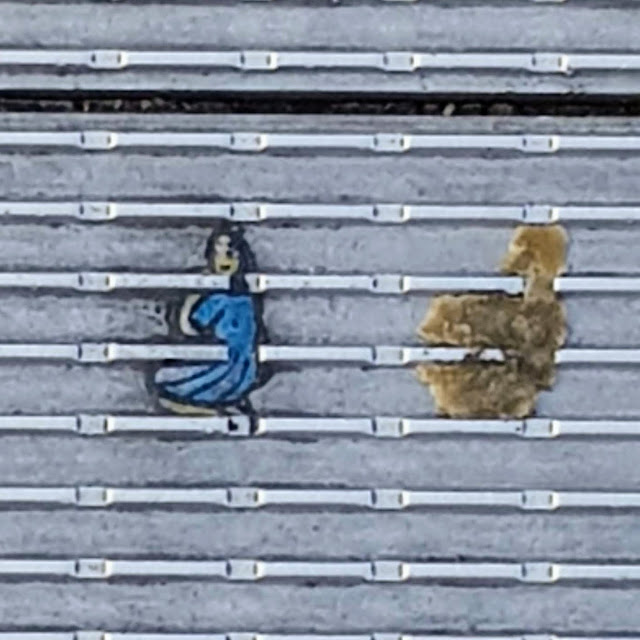
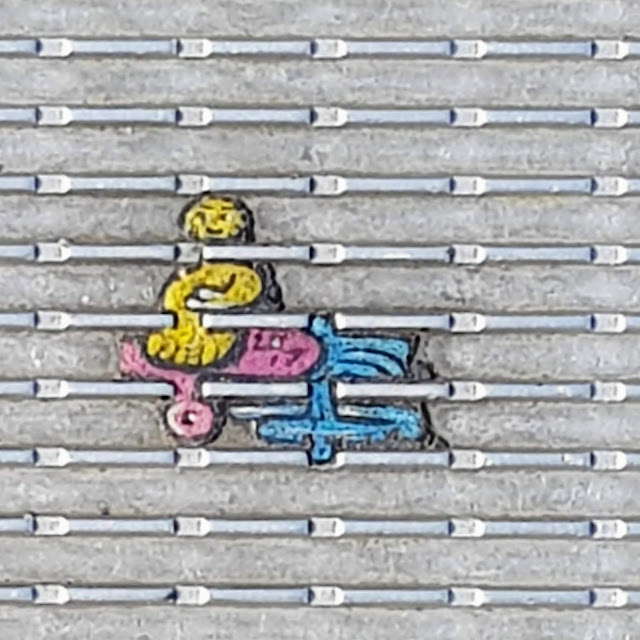
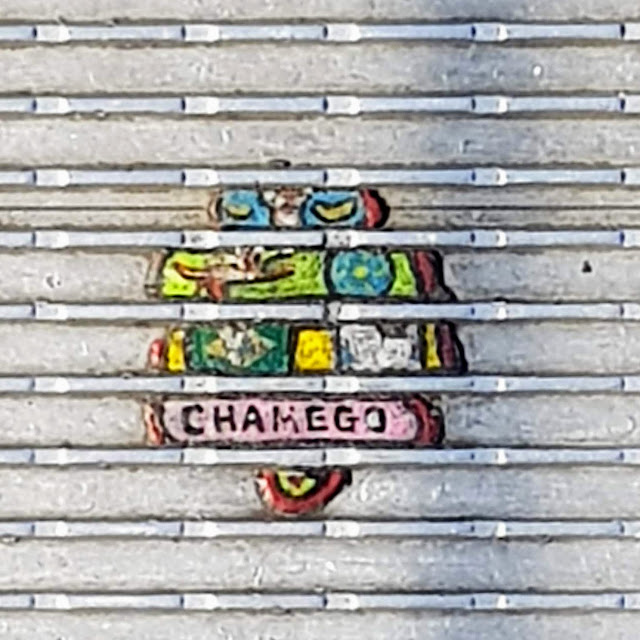
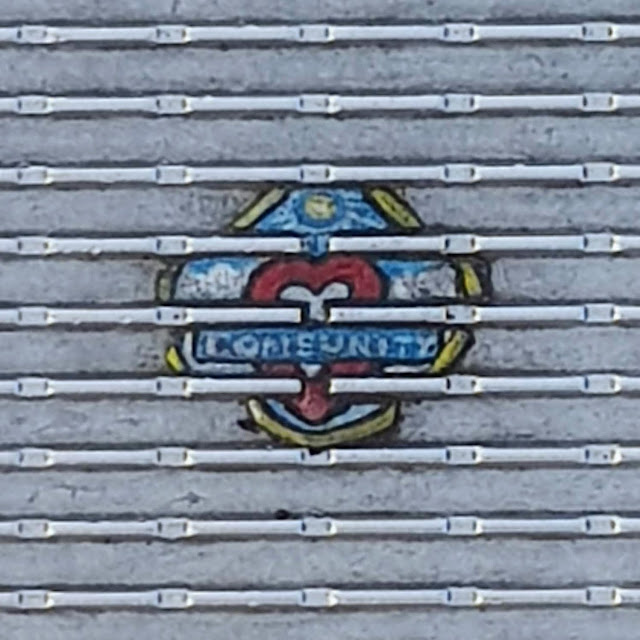
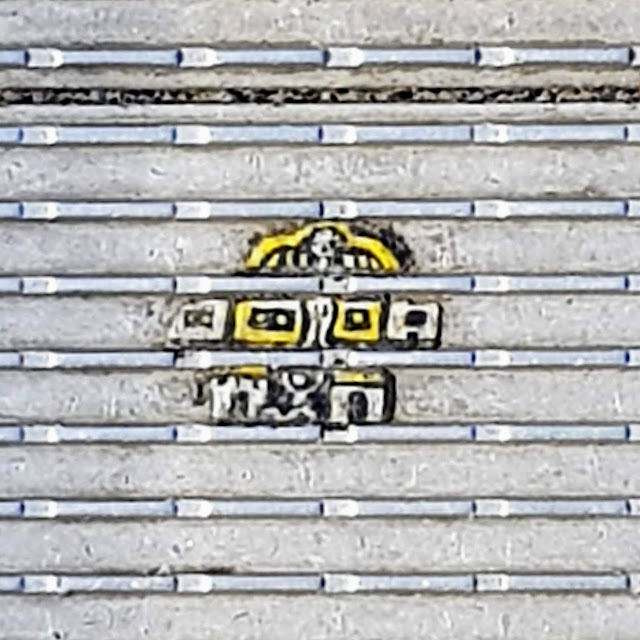
Whilst traversing the River Thames, via the London MillenniuM Footbridge, you will often have to dodge people, usually tourists, crouching down in the middle of the thoroughfare taking pictures of the floor.

London The Unfinished City

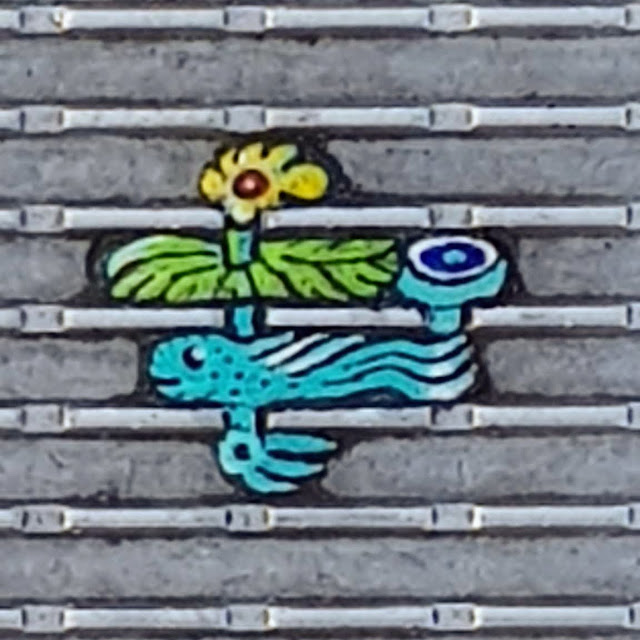
No, they aren't floor connoisseurs, but rather people trying to take photos of miniature works of art. 

London The Unfinished City

Yes, really. Beneath the feet of the millions of people who cross the bridge yearly, are tiny works of art that many miss or are oblivious to. 

London The Unfinished City

It all began, back in 2004, when the artist Ben Wilson decided that the various shapes, made by discarded chewing gum, would make good canvasses.

London The Unfinished City

He began his artform in Muswell Hill and Trinity Buoy Wharf before extending across the London MillenniuM Footbridge and into Tate Modern.

London The Unfinished City

Considering this unhygienic way of disposing of chewing gum, and its capacity to defy the natural order of decay, I am glad that someone is doing something to highlight the issue.

London The Unfinished City

Obviously, with the footfall and weather these works of art are fleeting, so they are worth seeking out.

London The Unfinished City

So, the next time you are walking across the London MillenniuM Footbridge, or visiting Tate Modern, keep an eye on where you are walking.

London The Unfinished City

And if you are in Muswell Hill or Trinity Buoy Wharf and see any of these miniature works of art, stop and take a good look as they won't be there forever.

London The Unfinished City

Wednesday, January 19, 2022

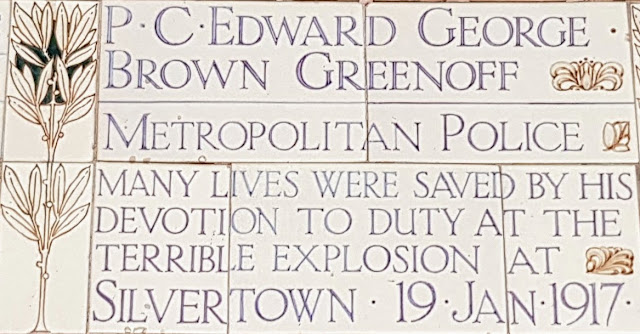
Police Constable Edward George Brown Greenoff


London The Unfinished City
P. C. Edward George Brown Greenoff (1886-1917).

On the evening of Friday January 19, 1917, a fire broke out at the Brunner Mond chemical factory off North Woolwich Road. The factory had been closed in 1912, only to be reopened in 1915 to purify Trinitrotoluene (TNT) for the war effort.

Within minutes of the outbreak of the fire an engine, from the new Brigade headquarters, was trying to dampen the blaze. 

Police Constable Edward Greenoff, of the Metropolitan Police's K Division, was on his beat when he noticed the fire. Realising what was in the building and the imminent danger of an explosion, P.C, Greenoff ran towards the fire to aid in the evacuation of the factory. If it had not been for this act of bravery the death toll would have been a lot higher. He then urged the people who had come to witness the fire to stay back and away from the flames. 

Then there came a rumbling sound and an explosion ripped the building apart. P.C. Greenoff was thrown forward by the force of the explosion and was knocked unconscious.

The building exploded with such force that girders, masonry and even a boiler, weighing several tons, were catapulted through the air. The shockwave, which was felt almost a mile away, ripped roofs from nearby buildings and flattened cottages within the area.

There were 73 fatalities and over 400 more were injured. 

P.C. Edward Greenoff was taken to Poplar Hospital where he died from his injuries on January 28th or 29th.

P.C. Edward George Brown Greenoff was buried in St Marylebone Cemetery, East Finchley.

This plaque is situated on the wall of the G. F. Watts Memorial to Heroic Self-Sacrifice, in Postman's Park.